Key Takeaways
- Myopia means distance objects look blurry while close-up objects appear clear.
- It often shows up between ages 5 and 14 and can cause frequent prescription changes.
- Many people notice that their prescription stabilizes in early adulthood, though there can be changes later on in life.
- Time outdoors and screen breaks may support slower progression.
- Specialized lenses like Stellest, soft contacts like MiSight, and multifocal contact lenses are common myopia management options worth exploring.
- Regular eye exams help track prescription changes.
Maybe your child reads a chapter book with no trouble, but squints at street signs across the street. This can be a sign of myopia, also called nearsightedness, which causes distant objects to appear blurry while close-up ones stay clear. One of the most common questions we are asked at Visionary Eye Care Colorado is if your child’s prescription will get stronger as they grow.
Myopia can progress during childhood, with prescriptions often changing as the eyes grow before progression typically slows in the late teens or early adulthood.
What Myopia Means for Vision
Myopia usually happens when the eye grows too long from front to back, which causes light to land in front of the retina (at the back of the eye) instead of directly on it. This causes distant objects to appear blurry while close-up objects look clear.
As children grow, the eye can continue to lengthen, which can cause their prescription to get stronger. During a child’s eye exam, our optometrist in Broomfield can check your child’s vision to see if their prescription is getting stronger.
Signs to Watch For
Kids don’t always realize that their vision is blurry because they think everyone sees the way they do. Because of that, it’s important to know what signs to watch for. It’s a good idea to schedule an eye exam for your child if you notice them:
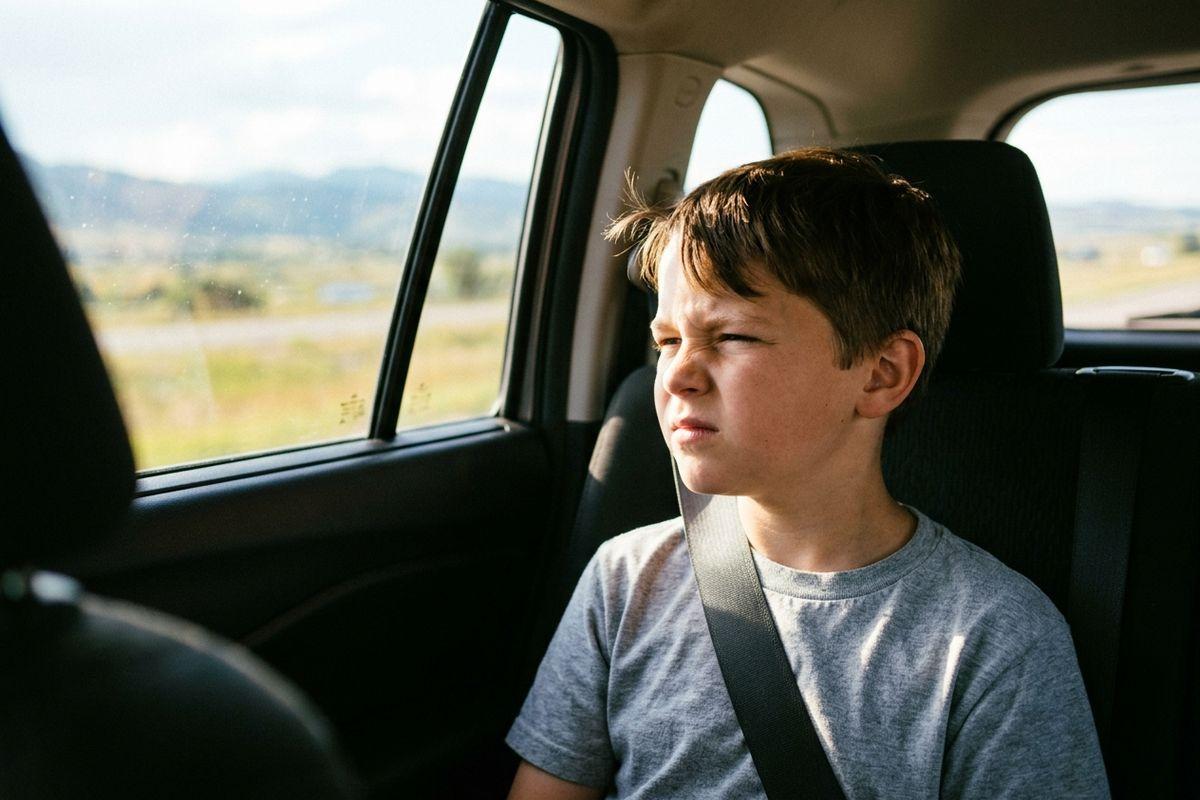
- Squinting at the TV or having trouble seeing far away
- Complaining of headaches or tired eyes after focusing on objects in the distance
- Sitting unusually close to screens
How Myopia Changes as Kids Grow
Myopia often begins between ages 5 and 14, when kids are growing quickly and spending more hours on homework and screens. That timing matters because the younger myopia begins, the more time it potentially has to worsen over the following years.
What Age Does Myopia Stop Progressing?
Many people find their prescription stabilizes in early adulthood, as they stop growing. Once progression slows, the prescription may remain relatively stable for many years, although changes can still occur in adulthood.
Can Myopia Change After 25?
Some adults do notice their prescription shifting past their mid-twenties. Screen-heavy work routines and constant up-close focus may play a role in vision changes in adults.
What Makes Myopia Worsen?
Family history can play a role in myopia risk. If 1 or both parents are nearsighted, a child has a higher chance of developing myopia, though that isn’t the whole story.
Lifestyle plays a role in myopia progression, too. Long stretches of close-up work and limited time outdoors are both associated with a higher risk of developing myopia.
Habits That May Help Slow Myopia Progression
There are habits that have been associated with a lower risk of developing myopia. Research shows that spending more time outdoors is associated with a lower risk of developing myopia, and some evidence suggests it may also help slow progression. We recommend aiming for 2 hours outside each day.
Because close-up focus may be linked to myopia, taking regular screen breaks and limiting time spent on nearby devices may also be a good habit to encourage.
Myopia Management and Correction Options
Vision correction handles the blur you notice today. Myopia management aims to slow the rate at which your child’s prescription changes over time. Our team can walk you through our myopia control options and recommend choices that may fit your child’s age, routine, and comfort level.
Here are some of the myopia control options that we offer:
- Stellest spectacle lenses: These specialized eyeglass lenses are designed to help slow myopia progression in children while providing clear vision.
- Soft contact lenses: Options such as MiSight lenses are specifically designed for myopia control in children.
- Multifocal contact lenses: Certain multifocal lens designs may also be used as part of a myopia management plan.
Can You Fix Myopia Naturally?
Nearsightedness doesn’t go away on its own, and no exercise or supplement can undo it. Though habits are important, they are not a replacement for professional guidance and a myopia management plan.
When to Book an Eye Exam
Eye exams can start earlier than most families expect. We are proud members of the InfantSEE program, which supports eye and vision assessments for infants around 6 months of age. If all is well, we recommend following that with an exam between ages 2 and 3, then yearly exams once school begins.
Regular checkups let the eye doctor compare measurements over time and catch prescription changes before they affect schoolwork or sports. A visit with our optometrist in Broomfield goes beyond a vision screening to cover distance and near vision, eye alignment, and overall eye health, helping you support your family’s vision for the long term.
Book Your Child’s Appointment
If squinting, headaches, or sitting suspiciously close to the TV sound familiar, our team at Visionary Eye Care Colorado would love to take a closer look at your child’s eyes. We believe that success begins with sight, so if you’re curious about myopia management for your child, we encourage you to book an eye exam today.