
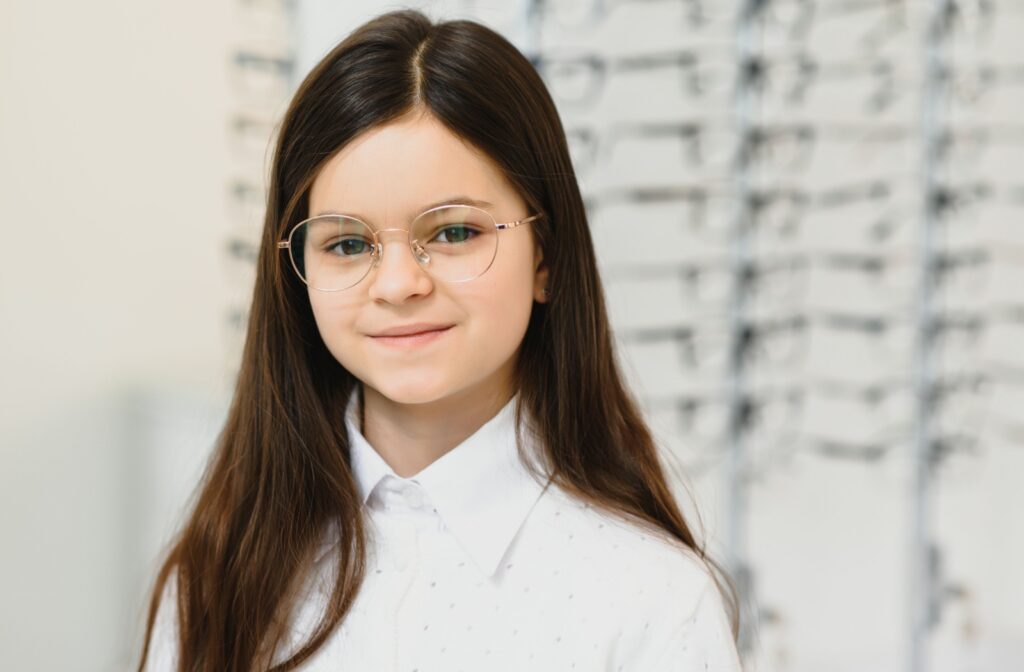
If you notice your child squinting to see the board at school or you find them inching closer to the TV, they might be dealing with myopia, also known as nearsightedness.
Many parents wonder if their child’s nearsightedness can get better with age. While myopia cannot be reversed or cured, its progression can be slowed down, especially when management starts during childhood. Understanding how to support your family’s vision is the first step toward a clearer future.
What Is Myopia?
Myopia happens when the eye grows a little too long from front to back. This shape causes light to focus in front of your retina instead of directly on it. The result is that objects far away look blurry, while things up close typically remain clear. Several factors can play a part in its development.
Genetics and Family History
If you or your partner are nearsighted, your children have a higher chance of developing it, too. Sometimes, it’s just one of those things that can run in the family.
Lots of Close-Up Work
Spending hours reading, using a computer, or looking at a phone can put a strain on your eyes. This consistent close-up focus is one of the key factors that worsen myopia, especially in kids.
Not Enough Time Outdoors
Spending time outside plays a positive role in healthy eye development. Research suggests 2 hours of natural light a day can help slow the progression of myopia in children, making outdoor playtime a great habit.
Common Signs of Nearsightedness
Myopia often develops gradually, so you might not recognize the signs at first. If you notice these changes, a comprehensive eye exam can help determine what’s going on. Look for these common signs in yourself or your family members:
- Distant objects look fuzzy or out of focus
- Needing to squint to see clearly
- Headaches from eye strain
- Holding books or devices very close to the face
- Difficulty seeing the board in a classroom or a screen in a large room
Lifestyle Habits to Support Your Vision
While these habits cannot reverse or cure myopia, they can help reduce eye strain and support overall eye health. Think of them as simple ways to give your eyes a well-deserved break throughout the day.
Get More Outdoor Time
Aim for at least 1–2 hours of outdoor activity each day. The bright, natural light is good for your eyes and can help slow down how quickly myopia gets worse in children.
Take Screen Breaks Often
Give your eyes a rest to help reduce digital eye strain. Try the 20-20-20 rule—every 20 minutes, look at something 20 feet away for at least 20 seconds. It’s a simple trick that can make a big difference for eye comfort.
Set Up an Eye-Friendly Workspace
Make sure your room has good lighting to reduce glare on screens. You can also position yourself about an arm’s length away from your computer to give your eyes enough space to focus comfortably.
Myopia Management for Kids and Teens
For children, myopia often gets worse as they grow. Slowing it down early is helpful for their long-term eye health. Our team can create a personalized myopia control plan using methods designed for young, growing eyes.
Myopia Control Contact Lenses
Specialty contact lenses are designed specifically for myopia management—not just vision correction.
- MiSight® contact lenses: These daily disposable lenses are designed for children and have been shown to slow myopia progression by using multiple zones of focus.
- Multifocal contact lenses: These lenses feature different focusing zones that help reduce eye elongation, a key factor in myopia progression.
Customized Eyeglasses
For children who prefer glasses, there are specialized lens designs that can help manage myopia progression.
- Multifocal eyeglasses: These lenses adjust how light is focused on the retina, helping guide eye growth in a way that may slow worsening myopia.
- Synch lenses: These lenses help reduce eye strain and can make reading, screen time, and other close-up activities more comfortable, supporting healthy visual development.
- Stellest™ lenses: Coming soon to Visionary Eye Care, these recently FDA-approved Stellest prescription lenses are designed specifically to slow the progression of myopia in children.
Schedule a Chat with Your Optometrist in Broomfield
The first step to managing myopia is a comprehensive eye exam. A thorough evaluation helps determine the right path forward, whether it’s a new glasses prescription or a dedicated myopia management plan for your child. Our team at Visionary Eye Care Colorado can help create a vision plan, so your family can see the world with clarity and style.